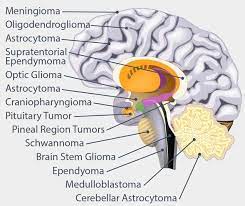
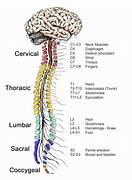
Cancer or a non-cancerous lump (brain disease), or something pressing against the nerves, destruction of the white matter, and/or defect in structure of the brain, it then affects nerves and spinal cords thus affecting the bodily functions.
Concussion
This condition can have similar symptoms to a concussion i.e. blow to head
Hear a ‘thunder clap’ in one head and/or stroke and/or behaviour and/or mood changes, memory loss or any other symptoms in this chapter – do not wait, seek urgent medical attention.
Rest and reduce screen time.
Any head injury relevant assessments must be preformed with in 72 hours.
If symptoms persist after initial check up, seek medical attention.
Symptoms include:
Behaviour and/or mood changes
Memory loss
Difficult in learning things
Balance issues
Shaking
Uncontrolled movements and/or jerk movements
Speech issues
Warning signs include (one must immediately stop activity):
Headaches
Blankness or absence, or following a moving object
SCAT6 (Sport Concussion Assessment Tool 6) and Child SCAT6 (for children) for medical practitioners
Symptoms following a concussion, such as neck pain, headaches, migraines, and balance or oculomotor disturbances, usually resolve on their own. However, some may persist for more than 4 weeks. Athletes return to training must be gradual.
This condition can lead to (especially if repeated activity):
Arachnoid cysts- (noncancerous fluid-filled sac that grows on the brain or spinal cord)
Astrocytoma (a type of cancer that can occur in the brain or spinal cord, it begins in cells called astrocytes that support nerve cells, it can be mistaken for multiple sclerosis)
Fragile X syndrome (an inherited disorder that causes intellectual problems; tuberous sclerosis, a condition in which benign tumours develop in the brain)
Glioblastoma (tumours grow from glial cells which form the (supportive) tissue of the brain and spinal cord)
Brain metastases- [when cancer cells break away from their original location. The cells may travel through the bloodstream or the lymph system and spread (metastasise) to the brain where they begin to multiply]
Oligodendrogliomas (primary brain tumours which means they have originated in the brain instead of spreading from elsewhere. They belong to the group of brain tumours known as gliomas as they develop from a type of glial cell known as an oligodendrocyte)
Hemangioblastomas- benign tumours occurring in the brain, spinal cord and retina.
Vestibular schwannomas-[benign tumour that develops on the balance (vestibular) and hearing, or auditory (cochlear) nerves leading from your inner ear to the brain]
‘Water in the brain’:
Hydrocephalus:
Condition in which abnormally widened (dilated) cerebral spaces in the brain (ventricles) inhibit the normal flow of cerebrospinal fluid (CSF).
The cerebrospinal fluid accumulates in the skull and puts pressure on the brain tissue.
An enlarged head in infants and increased cerebrospinal fluid pressure are frequent findings but are not necessary for the diagnosis of hydrocephalus.
Several different forms of hydrocephalus: communicating hydrocephalus, non-communicating hydrocephalus or obstructive hydrocephalus, internal hydrocephalus, normal pressure hydrocephalus, and benign hydrocephalus.
Condition is characterized by cystic malformation and expansion of one of the cavities in the brain (fourth ventricle).
It is usually associated with an abnormal accumulation of cerebrospinal fluid (CSF) in the skull (hydrocephalus), resulting in increased fluid pressure, a rapid increase in head size, abnormal prominence of the back region of the head (occiput), and/or other associated findings.
Poor diet during pregnancy (eating more cured and processed meats containing nitrites rather than healthy vegetables and pregnant suitable multivitamins supplements)
Condition is characterized by cystic malformation and expansion of one of the cavities in the brain (fourth ventricle).
It is usually associated with an abnormal accumulation of cerebrospinal fluid (CSF) in the skull (hydrocephalus), resulting in increased fluid pressure, a rapid increase in head size, abnormal prominence of the back region of the head (occiput), and/or other associated findings.
Froehlich syndrome (Damage to the hypothalamus, the hypothalamus regulates sleep cycles and body temperature and composition while stimulating the pituitary gland to release a variety of hormones that control growth, metabolism and body development)
Li-Fraumeni syndrome – a rare disorder that greatly increases the risk of developing several types of cancer, particularly in children and young adults)
A H.I.V test should be offered if one has this condition.
Please talk to your healthcare professional (i.e. Medical Doctor/Pharmacist) for further advice
Detailed Information
Please copy and paste any key words from the title: Brain Diseases and Brain cancer in the following respective 'Medtick References and/or Sources' to find out more about the disease (this also may include diagnosis tests and generic medical treatments).
The Pharmaceutical Journal covers analysis, features, opinion, learning and careers articles, providing insight and knowledge about drugs, pharmacy practice, medicines use and healthcare policy in the context of the pharmacy profession and pharmaceutical science.
Healthy changes start with little changes. Whether you want to lose weight, drink less alcohol, get active or quit smoking, you have access to lots of free tools and support through Better Health. You can also find simple ways to lift your mood with Every Mind Matters.
There has never been a better time to kickstart your health. Let’s do this!