Tick Borne Encephalitis | Medtick

Tick Borne Encephalitis

What is it?

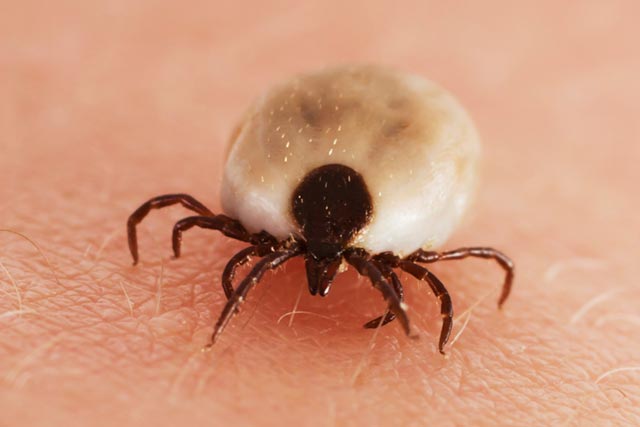
A viral infection caused by a bite from an infected tick causing inflammation in the brain affecting the central nervous system leading to brain dysfunction, brain damage and can be fatal.

  • One normally gets symptoms one to two weeks after a bite while some get none at all.
  • Most people experience mild symptoms but those with a weak immune system are more vulnerable.
It can take from one to two weeks to develop symptoms from being bitten though it can be early as two days or late as twenty-eight days.

Diagnosis tests

  • Lumbar Puncture (Spinal Tap) – Spinal fluid is collected for analysis.
    • Tests may include:
      • Cell count
      • Protein and glucose levels
      • Culture
      • PCR for viruses
  • Antibody Testing (IgG and IgM specific testing)
  • Brain Imaging i.e. MRI and CT scan
  • Blood Tests
  • Electroencephalogram (EEG)
  • PCR Testing of CSF

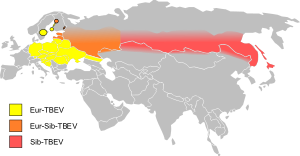
Common areas affected:

  • Central, eastern and northern Europe.
  • Far eastern Europe including Russia
  • East Asia including China and Japan
  • Siberian areas

Countries affected are:

North America

  • United States of America (Alaska, Hawaii, Oahu, Maui)

Europe & Russia

  • Albania
  • Austria
  • Belarus
  • Belgium
  • Bosnia Herzegovina
  • Bulgaria
  • Croatia
  • Czech Republic
  • Estonia
  • Finland
  • France (Corsica)
  • Germany
  • Greece (Corfu, Crete, Rhodes)
  • Hungary
  • Italy (Sardinia, Sicily)
  • Kosovo
  • Latvia
  • Lithuania
  • Montenegro
  • Norway (Svalbard)
  • Poland
  • Republic of Moldova
  • Romania
  • Russian Federation
  • Serbia
  • Slovakia
  • Slovenia
  • Sweden
  • Switzerland
  • Ukraine

Asia

  • Kazakhstan
  • Kyrgyzstan
  • China
  • Mongolia
  • Japan
  • South Korea (Korea, Republic of Korea)

Africa

  • Angola
  • Benin
  • Botswana
  • Burkina Faso
  • Burundi
  • Cameroon
  • Cape Verde
  • Central African Republic
  • Chad
  • Comoros
  • Congo
  • Côte d’Ivoire
  • Democratic Republic of Congo
  • Djibouti
  • Egypt
  • Equatorial Guinea
  • Eritrea
  • Eswatini (Swaziland)
  • Ethiopia
  • Gabon
  • Gambia
  • Ghana
  • Guinea
  • Guinea-Bissau
  • Kenya
  • Lesotho
  • Liberia
  • Libya
  • Madagascar
  • Malawi
  • Mali
  • Mauritania
  • Mauritius
  • Mayotte
  • Morocco
  • Mozambique
  • Namibia
  • Niger
  • Nigeria
  • Réunion
  • Rwanda
  • São Tomé and Príncipe
  • Senegal
  • Sierra Leone
  • Somalia
  • South Africa
  • South Sudan
  • Sudan
  • Togo
  • United Republic of Tanzania (Zanzibar)
  • Tunisia
  • Uganda
  • Zambia
  • Zimbabwe

Middle East

  • Iraq
  • Syria
  • Yemen

Asia

  • Afghanistan
  • Kazakhstan
  • Kyrgyzstan
  • Pakistan
  • Tajikistan
  • Turkmenistan
  • Uzbekistan
  • Bangladesh
  • Bhutan
  • Cambodia
  • China
  • North Korea
  • Laos
  • Malaysia (Sarawak, Sabah)
  • Myanmar
  • Nepal
  • India
  • Sri Lanka
  • Thailand
  • Timor-Leste
  • Vietnam

Australasia and Pacific

  • American Samoa
  • Federated States Of Micronesia
  • Fiji
  • Kiribati
  • Marshall Islands
  • New Caledonia
  • Niue
  • Northern Mariana Islands
  • Palau
  • Papua New Guinea
  • Samoa
  • Solomon Islands
  • Tokelau
  • Tonga
  • Tuvalu (Ellice Islands)
  • Vanuatu
Ibuprofen and other NSAIDs can be used under medical supervision, however Ibuprofen and other NSAIDs is not recommended in asthma or asthma type symptoms. Check with your Medical doctor/Pharmacist when one can have any type of fever reducing medication to make sure it suitable for you. Do not give Ibuprofen and other NSAIDs in chicken pox (without medical advice) and dengue.

Cause

  • Virus :
    • European TBE virus or Central EuropenEnceohalitis (Far eastern Europe including western Russia caused by Ixodesrickinus ticks)
    • Far Eastern TBE or Russian Spring/Summer Encephalitis (Eastern Russia, East Asia including China and Japan caused by persulactus ticks
    • Siberian TBE or West-Siberian Encephalitis (Siberian areas by persulactus ticks)
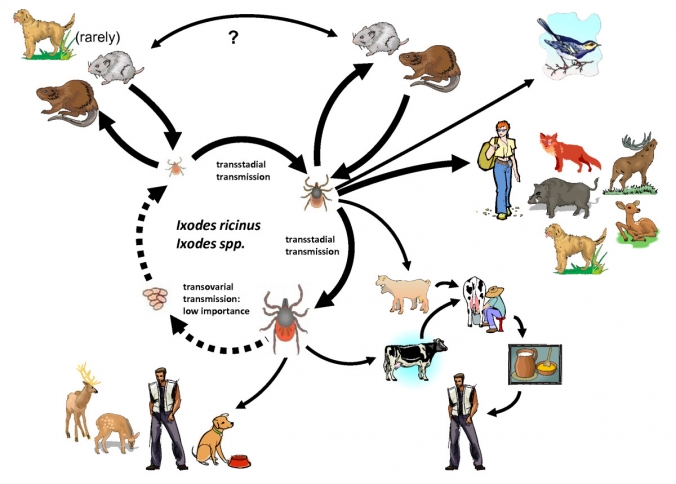
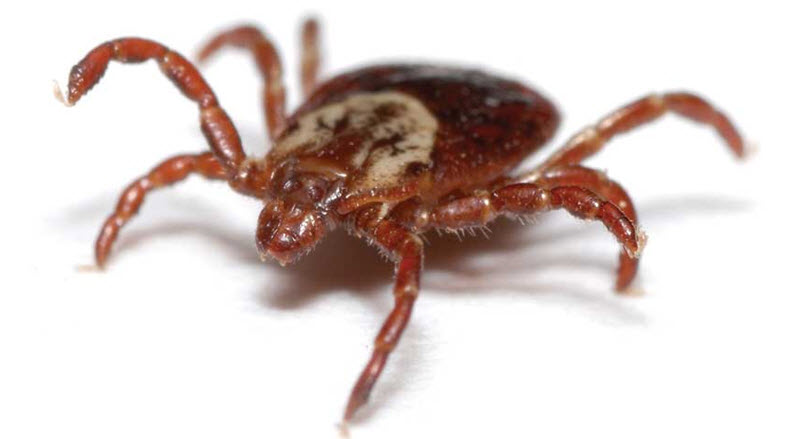
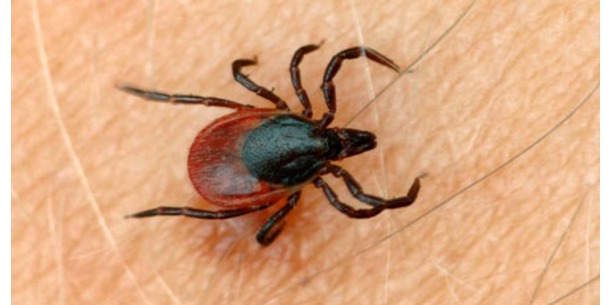
  • Infected tick found in woods and forests areas particularly during wet summers and mild winters.
  • Infected cows, goats and sheep by eating or drinking unpasteurised dairy products.

Symptoms

Initial symptoms:

  • High temperature greater than 38°C (100°F) or over and/or chills and sweats longer than 72 hours?
  • Headache which is on and off or a constant headache longer than 24 hours?
  • Aching, painful muscles, muscle cramps/spasms/stiffness?
  • Sore throat for longer than seven days or more?
  • Swollen lymph glands and/or reoccurring mouth ulcers?
  • Abdominal pain and/or are constant violently vomiting or vomiting longer than two days (one day if a child)?
  • Diarrhoea?

Stage 2

  • Medical Emergency symptoms?

Complications /Information to beware of/General tips:

Medical Emergency Condition

Do not wait, phone for an ambulance if have 0r develop (stage 2 symptoms):

  • Meningitis
  • Encephalitis
  • Sudden rise of body temperature (fever with chills and sweats)?
  • Confused, loss of consciousness, drowsy?
  • Seizures?
  • Dislike to lights (photophobia)?
  • Can’t speak?
  • Stiff neck?
  • Irritated, aggressive?
  • Can’t control movement?

This condition can lead to:

  • Memory problems
  • personality and behavioural changes
  • Speech and language problems (aphasia)
  • Epilepsy
  • Changes in emotions, such as mood swings
  • Problems with attention, concentration, planning and problem solving
  • movement problems
  • Low mood
  • General discomfort (muscle weakness), uneasiness or ill feeling (malaise) and/or fatigue (tiredness)

NHS Choices 


This condition may be confused with:

Please talk to your healthcare professional (i.e. Medical Doctor/Pharmacist) for further advice

Detailed Information

Please copy and paste any key words from the title: Tick Borne Encephalitis in the following respective 'Medtick References and/or Sources' to find out more about the disease (this also may include diagnosis tests and generic medical treatments).

  • Medical News Today

    Medical news and health news headlines posted throughout the day, every day.

  • Medscape (Professional level)

    Latest medical news and expert commentary in your specialty as well as disease information.

  • Healthline

    Medical Information and health advice you can trust

  • EveryDay Health

    Wellness inspired. Wellness enabled.

  • Pharmaceutical Journal (Professional level)

    The Pharmaceutical Journal covers analysis, features, opinion, learning and careers articles, providing insight and knowledge about drugs, pharmacy practice, medicines use and healthcare policy in the context of the pharmacy profession and pharmaceutical science.

  • NHS

    Find information and advice on health conditions, symptoms, healthy living, medicines and how to get help (British National Health Service).

  • WebMD

    Better Information. Better Health.

  • Cleveland Clinic

    Pushing the Standards of care.

  • Mayo Clinic

    No.1 Hospital in the Nation (America)

  • Drugs.com

    Know more. Be sure.

  • National Organisation of Rare Diseases

    NORD is dedicated to supporting education, elevating care, advancing research, and driving policy for rare diseases.

  • Verywell Health

    Know more. Fell better.

  • Nathnac

    Travel health guidance for health professionals advising travellers and for travellers going overseas from the UK.

  • DR Axe

    Health and fitness news. Recipes, Natural Remedies

  • Better health - NHS

    Healthy changes start with little changes. Whether you want to lose weight, drink less alcohol, get active or quit smoking, you have access to lots of free tools and support through Better Health. You can also find simple ways to lift your mood with Every Mind Matters.

    There has never been a better time to kickstart your health. Let’s do this!