
Acute upper airway disease:
Obstructive lung disease
Restrictive lung disease
Intrinsic Restrictive Lung Diseases
Intrinsic restrictive disorders are those that occur due to restriction in the lungs (often a “stiffening” effect
Extrinsic Restrictive Lung Diseases
Refer to those conditions that originate outside of the lungs.
Neurological Restrictive Lung Diseases
Neurological restrictive disorders are those caused by disorders of the central nervous system that interfere with movements necessary to draw air into the lungs.
One can have a combination of obstructive and restrictive conditions above
Results:
Diagnosis and tests to determine respiratory disease obstructive and restrictive lung conditions:
For further information visit:
https://www.verywellhealth.com/obstructive-and-restrictive-lung-diseases-914741
Lung Diseases Affecting the upper Airways
Your windpipe (trachea) branches into tubes called bronchi, which in turn become smaller tubes throughout your lungs. Diseases that can affect these airways include:
Lung Diseases Affecting the Air Sacs (Alveoli)- lower airways
Your airways branch into tiny tubes (bronchioles) that end in clusters of air sacs called alveoli. These air sacs make up most of your lung tissue. Lung diseases affecting your alveoli include:
Lung Diseases Affecting the Interstitium -lower airways
The interstitium is the thin, delicate lining between your alveoli. Tiny blood vessels run through the interstitium and let gas transfer between the alveoli and your blood. Various lung diseases affect the interstitium:
Lung affecting blood vessels:
Miscellaneous
Syndromes
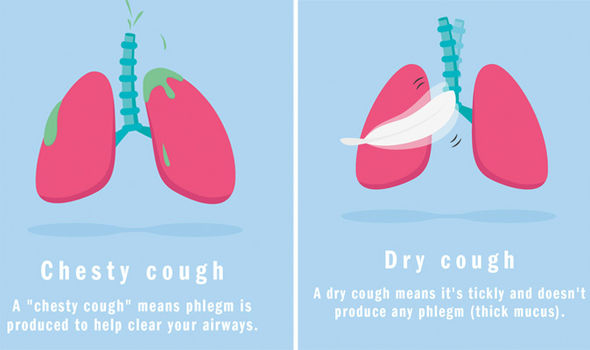
Source: www.express.co.uk
Medical news and health news headlines posted throughout the day, every day.
Latest medical news and expert commentary in your specialty as well as disease information.
Medical Information and health advice you can trust
Wellness inspired. Wellness enabled.
The Pharmaceutical Journal covers analysis, features, opinion, learning and careers articles, providing insight and knowledge about drugs, pharmacy practice, medicines use and healthcare policy in the context of the pharmacy profession and pharmaceutical science.
Find information and advice on health conditions, symptoms, healthy living, medicines and how to get help (British National Health Service).
Better Information. Better Health.
Pushing the Standards of care.
No.1 Hospital in the Nation (America)
Know more. Be sure.
NORD is dedicated to supporting education, elevating care, advancing research, and driving policy for rare diseases.
Know more. Fell better.
Travel health guidance for health professionals advising travellers and for travellers going overseas from the UK.
Health and fitness news. Recipes, Natural Remedies
Healthy changes start with little changes. Whether you want to lose weight, drink less alcohol, get active or quit smoking, you have access to lots of free tools and support through Better Health. You can also find simple ways to lift your mood with Every Mind Matters.
There has never been a better time to kickstart your health. Let’s do this!