When the liver is not functioning as it should, it is caused by a variety of conditions and diseases and can lead to liver scarring (fibrosis) and cirrhosis where one has further scarring to the liver causing poor blood supply to the liver and loss of function.
The liver has the following functions:
Break down:
Carbohydrates, fats, proteins from foods one eats
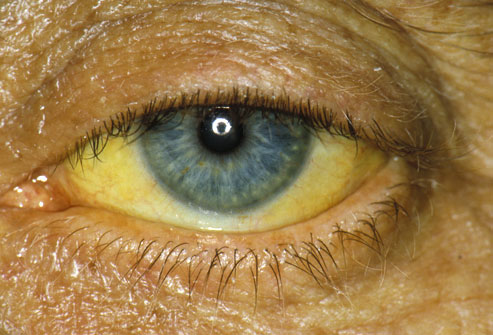
Bilirubin (a product made during red blood cells being formed,If bilurubin is not removed effectively from the body it causes jaundice)
Insulin
Hormones
Produce:
Plasma proteins i.e. Albumin (to provide the right pressure environment for our cells and blood and help in Cell reactions)
Cholesterol (helps to protect nerve fibres and let signal to travel properly)
Glucose (helps to give us energy)
Bile (helps us to break down fats to give us energy)
Amino acids (source of food for our muscles)
Urea (to remove waste)
Helps to store fat soluble vitamins (A,D,E and K) and glycogen (helps to store energy)
Control blood sugar
Help with immunity (the body defence)
Liver disease is classified according to both the pattern of damage seen and time over which the damage occurs.
The main patterns of damage are classified as cholestatic or hepatocellular. However, these are not distinct entities and overlap occurs.
Acute liver disease is when the history of onset of symptoms does not exceed six months; patients with symptoms of liver disease that last for more than six months have chronic liver disease.
Cholestasis
Occurs when there is disruption of bile flow between the bile duct and duodenum. Intrahepatic cholestasis affects biliary ductules and is seen in people with primary biliary cirrhosis, in drug-induced liver disease and inflammation.
Extrahepatic cholestasis occurs when there is a mechanical obstruction (e.g. inflammation of bile duct, strictures, gallstones). Cholestasis leads to impaired biliary excretion and reduced absorption of fatty substances. Accumulation of bile salts can lead to damage of hepatocytes.
Hepatocellular disease
Occurs when there is direct injury to hepatocytes (e.g. due to toxins or viruses). Accumulation of fat within hepatocytes is known as steatosis, which can further be categorised as either microvascular or macrovascular.
Most people who regularly drink heavily will get a build up of fat in their liver cells.
In most cases, this is usually asymptomatic and reversible with abstinence.
Hepatitis is inflammation of hepatocytes, which can be acute or chronic and affect only a small area or be widespread.
Both cholestasis and hepatocellular disease can lead to fibrosis and cirrhosis.
Fibrosis occurs when there is persistent, extensive hepatocyte damage, leading to active deposition of collagen and formation of scar tissue.
Cirrhosis is a progressive disease defined as fibrosis and nodular regeneration, resulting in disruption of the normal architecture of the liver.
Cirrhosis is also associated with a reduction in hepatic cell mass, and a corresponding decrease in the functional capacity of the liver.
It can be classified as compensated cirrhosis (the liver is able to carry out most of its functions), or decompensated (the liver is extensively scarred and unable to carry out required functions).
The Pharmaceutical Journal, PJ, 21/28 March 2015, Vol 294, No 7854/5;294(7854/5):
DOI:10.1211/PJ.2015.20067991
Liver function tests are preformed and looks at a range of enzmes and chemicals and produced by your liver.
These are not specific tests to the liver function as changes to liver enzyme and chemicals can occur by other medical conditions.
Other investigations that may be carried out to assess liver function include ultrasounds, computed tomography (CT) scans, fibroscans and liver biopsies.
Medicines that can be affected by liver disease:
(Please talk to your medical doctor or pharmacist before considering the following medications)
gentamicin, tobramycin, amikacin, plazomicin, streptomycin, neomycin, and paromomycin
Precipitate or worsen heptorenal syndrome
The oral route is generally preferred in patients with liver disease, although modified-release or long-acting preparations should be avoided as they can accumulate.
Intramuscular injections should be avoided in patients with liver disease and coagulopathy as they can lead to the development of a haematoma at the injection site.
Topical preparations and patches may cause increased irritation to the skin in patients with liver disease.
If rectal preparations are being used, the patient should be assessed for the potential presence of rectal varices and the increased risk of bleeding.
The Pharmaceutical Journal, PJ, 21/28 March 2015, Vol 294, No 7854/5;294(7854/5):DOI:10.1211/PJ.2015.20067991
Disease that slowly damages the bile ducts. Bile is a digestive liquid that is made in the liver. It travels through the bile ducts to the gallbladder and the small intestine, where it helps digest fats and fatty vitamins: A,D, E and K.
The bile ducts become blocked due to inflammation and scarring or fibrosis. This causes bile to accumulate in the liver, where it gradually damages liver cells and causes cirrhosis, or fibrosis of the liver.
Non-alcoholic fatty liver disease is an autoimmune condition similar to alcoholic liver disease, but it results in an accumulation of fat in the liver (fatty liver) by a different mechanism.
Fever greater than 38°C or 100°F, hot sweaty and clammy?
General discomfort (muscle weakness), uneasiness or ill feeling (malaise) and/or fatigue (tiredness)?
Abdominal pain and/or are constant violently vomiting or vomiting longer than two days?
Weight loss?
Itchy skin (high levels of bile in the skin)?
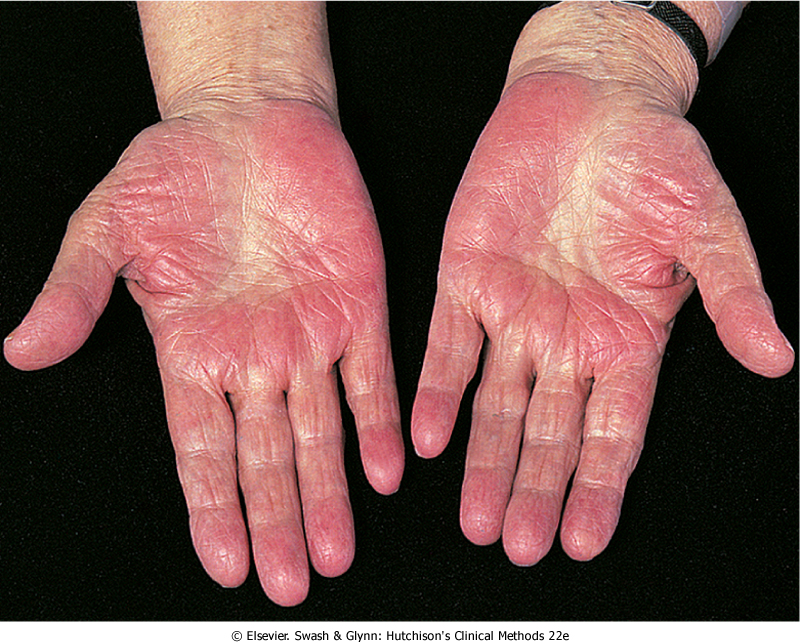
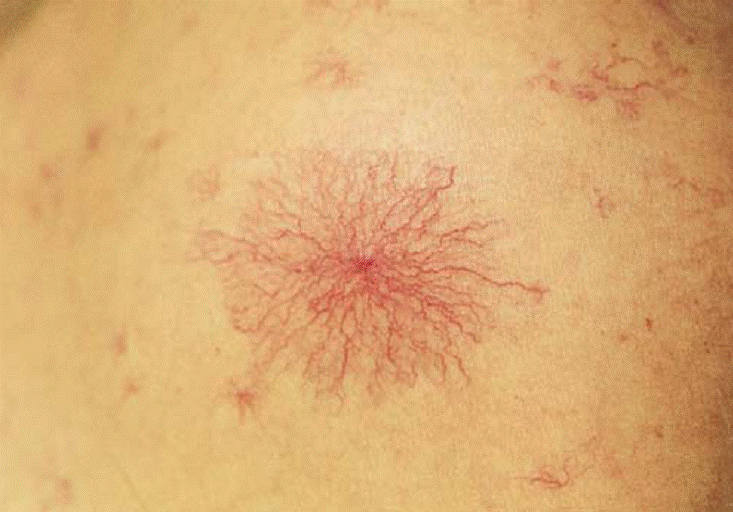
A new rash that has appeared or existing rash getting worst (red palms or spider veins)?
Spider veins on hands and skin?
Red palms (long term liver disease)?
Bruising and bleeding (blood not clotting properly)?
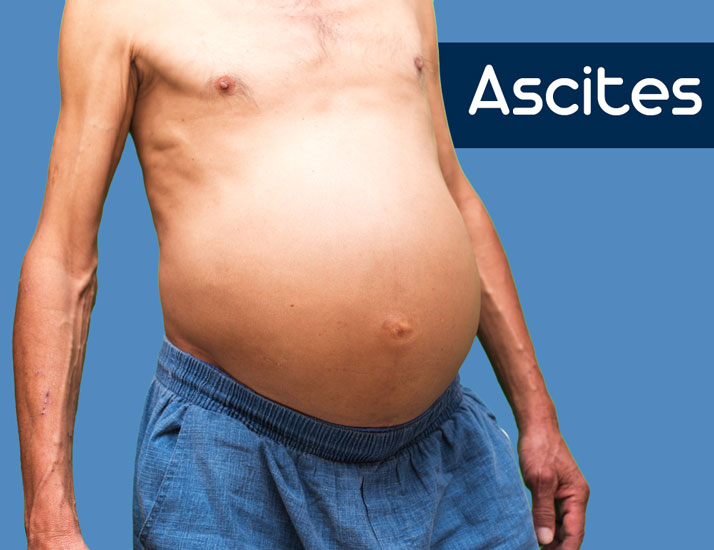
Abdominal heaviness, swelling in abdomen and liver area (due to ascites where one has a fluid build up in the peritoneal cavity (a lining around the abdominal organs and intestines)?
Short of breath and/or breathing difficulties (due to swelling affecting diaphragm movement)?
Portal hypertension and variceal bleeds (Esophageal varices develop when normal blood flow to the liver is blocked by a clot or scar tissue in the liver. To go around the blockages, blood flows into smaller blood vessels that aren’t designed to carry large volumes of blood. The vessels can leak blood or even rupture, causing life-threatening bleeding).
Ascites:
An increased or high level of fluid collection within the peritoneum (the sac that contains the intestines within the abdominal cavity- the outside lining of the organs- this space has peritoneal fluid which helps to reduce friction between the belly and the organs during digestion).
It is due to a combination of factors, including increased pressure in the portal system and decrease protein in the body which the liver produces, this causes fluid to leak out of the portal vein and into the abdominal cavity and lining – the peritoneum.
The blood volume is reduced and the kidney then responds and try to retain salt and water in the body, this causes further swelling.
Ascites can also be caused by cancer, heart failure, kidney failure, inflammation of the pancreas (pancreatitis), and tuberculosis affecting the lining of the abdomen.
Symptoms include:
Increased abdominal swelling and belly size
Ankle swelling
Shortness of breath
Feeling full after eating small amounts of food
Appetite loss
Hepatorenal syndrome is the development of renal failure in patients with advanced liver disease in the absence of an identifiable cause of renal impairment.
Type 1 — rapid and progressive renal failure (defined as a twofold rise in creatinine from baseline and above 221μmol/L in under two weeks); often precipitated by spontaneous bacterial peritonitis.
Type 2 — moderate and stable reduction in glomerular filtration rate
Hepatic encephalopathy [when one has high amounts of ammonia (converted from bacteria in the gut) from the liver which then may travel to the brain].
Liver cancer (symptoms are similar to liver disease but one can also have):
Malnutrition and liver disease have a bidirectional association; the symptoms and complications of liver disease can cause malnutrition, and malnutrition can worsen some of the impacts of liver disease
In liver disease, malnutrition presents with micronutrient deficiencies, functional manifestations such as poor wound healing and frailty, and major body composition changes such as fat loss and/or sarcopenia (loss of skeletal muscle mass)
All people with chronic liver disease should receive routine monitoring for malnutrition and decreased or poor-quality food intake
Dietary assessments are recommended for all people with AUD
Assessments for frailty and sarcopenia are recommended for all those with cirrhosis
Assessment of body composition should include clinical measurements (such as BMI, waist circumference, mid-arm circumference), biological parameters (such as serum albumin), bioelectrical impedance, assessment of muscle strength, and (when appropriate) imaging studies
Dietary and exercise interventions are indicated for all patients with MASLD or MASH
All patients with chronic liver disease should be encouraged to consume at least two cups of coffee per day, as this may reduce risk of hepatic fibrosis progression or HCC development
No recommendation is made for or against sodium restriction in cirrhosis
Free water restriction is only recommended for patients with cirrhosis, evidence of fluid retention, and serum sodium <126 mEq/l
The guidance recommends vegetable protein sources, over other protein sources, for increasing dietary protein intake
Low-fructose diets are recommended for the nutritional management of all patients with chronic liver disease
In cirrhosis, frequent small meals or snacks (every 3–4 hours) and late-night snacks are recommended
The guideline recommends supplementation of vitamin D (if low vitamin D levels), vitamin E (in MASH without cirrhosis), zinc (if low zinc levels or symptoms of zinc deficiency), and branched-chain amino acids (in cirrhosis and HE)
Increased physical activity (ideally, equivalent to ≥150 minutes/week of moderate exercise) is recommended for improving and preventing MASLD and MASH.
Please talk to your healthcare professional (i.e. Medical Doctor/Pharmacist) for further advice
Detailed Information
Please copy and paste any key words from the title: Liver Disease in the following respective 'Medtick References and/or Sources' to find out more about the disease (this also may include diagnosis tests and generic medical treatments).
The Pharmaceutical Journal covers analysis, features, opinion, learning and careers articles, providing insight and knowledge about drugs, pharmacy practice, medicines use and healthcare policy in the context of the pharmacy profession and pharmaceutical science.
Healthy changes start with little changes. Whether you want to lose weight, drink less alcohol, get active or quit smoking, you have access to lots of free tools and support through Better Health. You can also find simple ways to lift your mood with Every Mind Matters.
There has never been a better time to kickstart your health. Let’s do this!