An infection of the inner layer (the endocardium) of the heart.
Bacteria travels normally through the heart and our body deals with them however if one has a heart defect in particular our heart valves (which controls the blood flow in the heart) is damaged then the bacteria can spread to the inner layer of the heart causing blood flow to be disrupted.
The Duke criteria are used by clinicians to diagnose infective endocarditis:
Diagnosis requires two major criteria, one major criterion and three minor criteria, or five minor criteria.
Major criteria include positive blood cultures from two separate blood collections and evidence of endocardial involvement (as noted on an echocardiogram) in the form of a vegetation, abscess, or a new valvular regurgitation (heart murmurs).
The minor criteria include a history of IV drug abuse, fever, vascular phenomena (i.e. major arterial emboli, septic pulmonary infarcts, Janeway lesions), and immunologic phenomena (i.e. Roth spots, Osler nodes, glomerulonephritis).
Others:
Echocardiography
Blood tests
Molecular tests
PCR/16S rRNA sequencing
FDG-PET/CT or cardiac CT to diagnose prosthetic valve endocarditis
Cause
Bacteria:
Staphylococcus, streptococcus,
pseudomonas, bartonella (mainly) though other bacterium can also cause the condition
General discomfort (muscle weakness), uneasiness or ill feeling (malaise) and/or fatigue (tiredness)?
Chest pain and/or heart palpitations?
Rapid heartbeat, swollen ankles and/or fingers?
Cardiac murmurs?
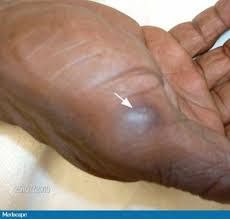
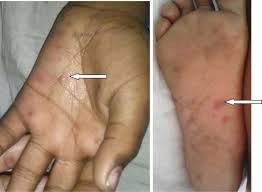
Bleeding into skin on palms (at the base of the thumb and little finger) and/or sole of feet (Janeway lesions – tend to last days to weeks before healing totally)?
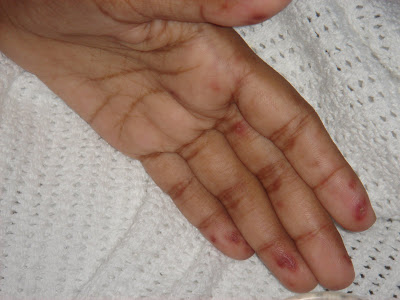
Swollen bumps on fingers, hands and/or toes (Osler nodes-red-purple, slightly raised, tender lumps often with a pale centre. Pain often precedes the development of the visible lesion by up to 24 hours and can last from hours to several days)?
Problem with attention (This could mean the person is inattentive and does not focus or that he or she can focus on tasks but at the expense of all else — failure to shift attention.)
Disorganised thinking (such as not being able to remember things or being confused)
Altered level of consciousness (hyper-alertness and on edge, or sluggish, drowsy or withdrawn)
Change is sudden and/or does it fluctuate over hours or days
Please copy and paste any key words from the title: Endocarditis in the following respective 'Medtick References and/or Sources' to find out more about the disease (this also may include diagnosis tests and generic medical treatments).
The Pharmaceutical Journal covers analysis, features, opinion, learning and careers articles, providing insight and knowledge about drugs, pharmacy practice, medicines use and healthcare policy in the context of the pharmacy profession and pharmaceutical science.
Healthy changes start with little changes. Whether you want to lose weight, drink less alcohol, get active or quit smoking, you have access to lots of free tools and support through Better Health. You can also find simple ways to lift your mood with Every Mind Matters.
There has never been a better time to kickstart your health. Let’s do this!