What is it?
- Inherited muscle disorders normally occurring at adulthood causing:
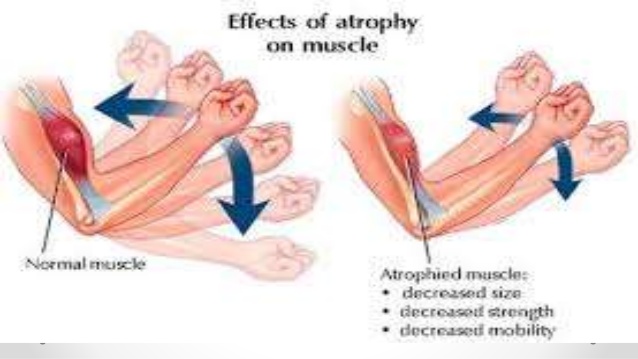
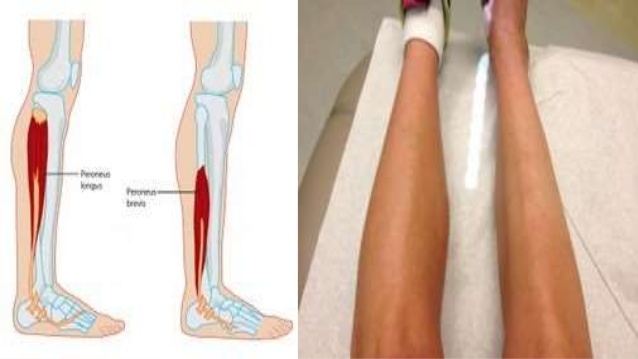
- Muscle wasting and weakness of legs, neck shoulders, hands, face, elbows and hips.
- Slurred speech
- Temporary locking of jaw
- Cataracts
- Heart problems
One Tend to have long muscle contractions and can’t relax muscles after use i.e.
- Difficult releasing the grip on a door knob after opening.
There are two forms of these genetic forms
Dystrophia myotonia type 1
- Dystrophia myotonia (mild)
- DM1 can develop at birth (congenital form), during childhood (juvenile form) and during adulthood (adult form).
- The adult form is the most common form and usually begins in a person’s 30s. Generally, the signs and symptoms of these disorders progress slowly.
- Dystrophia myotonia (classic)
Dystrophia myotonia type 2
- Similar symptoms to Dystrophia myotonia type 1, but is generally a less severe disorder and does not cause congenital disease.
- It normally occurs after the age 20-60.
Cause
- Dystrophia myotonia type 1 : Change or alteration in the myotonic dystrophy protein kinase (DMPK) gene.
- Dystrophia myotonia type 2: Change or alteration in the nucleic acid-binding protein (CNBP) gene; this gene is also called the ZNF9 gene.
For more detail explanation on what makes the disease: Mild, Classic or a Less serious form
National Organization of Rare diseases
Symptoms
(Symptoms can vary and overlap and not all symptoms will develop)
Dystrophia myotonia (mild)
- Eye(s)/eyelid muscles drooping (ptosis)?
- Clouding of the lenses of the eyes (cataracts)?
- Breathing difficulties and/or short of breath?
- Chewing difficulties?
- Slurred speech?
- Temporary locking of jaw?
- Muscle wasting and weakness of legs ,neck shoulders, hands, face (facial muscle weakness), elbows and hips?
- Aching, painful muscles, muscle cramps/spasms/stiffness?
- Sustained muscle contractions (myotonia), in which the muscles do not relax after use?
- General discomfort (muscle weakness), uneasiness or ill feeling (malaise) and/or fatigue (tiredness)?
- Cardiomyopathy?
- Heart arrhythmias?
- Diabetes?
- Gallstones?
- Constipation?
- Diarrhoea?
- Loss of bladder control (incontinence)?
- Pseudo-obstruction, which is caused by abnormalities in the involuntary, coordinated muscle contractions (peristalsis) of the gastrointestinal tract causing blockage of digestive tract:
- Symptoms include:
- Nausea, vomiting, abdominal pain, abdominal swelling (distention) and constipation?
Dystrophia myotonia (classic)
- Muscle weakness and wasting (atrophy)?
- Muscles of the neck and fingers are often the first muscles affected?
- Muscle weakness slowly affects other muscles including muscles of the elbows, hips, thighs?
- Aching, painful muscles, muscle cramps/spasms/stiffness?
- Sustained muscle contractions (myotonia), in which the muscles do not relax after use?
- General discomfort (muscle weakness), uneasiness or ill feeling (malaise) and/or fatigue (tiredness)?
- Early-onset cataracts (i.e. before the age of 50)?
Complications /Information to beware of/General tips:
Do not wait, phone for ambulance if have or develop:
- Cardiomyopathy
- Pseudo-obstruction, which is caused by abnormalities in the involuntary, coordinated muscle contractions (peristalsis) of the gastrointestinal tract causing blockage of digestive tract:
- Pneumonia
- Respiratory failure
Pregnancy and infant/child
Dystrophia myotonia type 1 (not Dystrophia myotonia type 2) condition can lead to:
Congenital DM1
Symptoms includes:
This condition can lead to:
- Male infertility (hypogonadism)
- Excessive sweating
- Hypothyroidism
- Problems with concentration, organization and finding the right word when writing or speaking (word finding)
This condition may show similar symptoms to:
Please talk to your healthcare professional (i.e. Medical Doctor/Pharmacist) for further advice
Detailed Information
Please copy and paste any key words from the title: Myotonic Dystrophy in the following respective 'Medtick References and/or Sources' to find out more about the disease (this also may include diagnosis tests and generic medical treatments).
- Medical News Today
Medical news and health news headlines posted throughout the day, every day.
- Medscape (Professional level)
Latest medical news and expert commentary in your specialty as well as disease information.
- Healthline
Medical Information and health advice you can trust
- EveryDay Health
Wellness inspired. Wellness enabled.
- Pharmaceutical Journal (Professional level)
The Pharmaceutical Journal covers analysis, features, opinion, learning and careers articles, providing insight and knowledge about drugs, pharmacy practice, medicines use and healthcare policy in the context of the pharmacy profession and pharmaceutical science.
- NHS
Find information and advice on health conditions, symptoms, healthy living, medicines and how to get help (British National Health Service).
- WebMD
Better Information. Better Health.
- Cleveland Clinic
Pushing the Standards of care.
- Mayo Clinic
No.1 Hospital in the Nation (America)
- Drugs.com
Know more. Be sure.
- National Organisation of Rare Diseases
NORD is dedicated to supporting education, elevating care, advancing research, and driving policy for rare diseases.
- Verywell Health
Know more. Fell better.
- Nathnac
Travel health guidance for health professionals advising travellers and for travellers going overseas from the UK.
- DR Axe
Health and fitness news. Recipes, Natural Remedies
- Better health - NHS
Healthy changes start with little changes. Whether you want to lose weight, drink less alcohol, get active or quit smoking, you have access to lots of free tools and support through Better Health. You can also find simple ways to lift your mood with Every Mind Matters.
There has never been a better time to kickstart your health. Let’s do this!