Anorexia and Bulimia (ARFID) | Medtick

Anorexia and Bulimia (ARFID)

What is it?

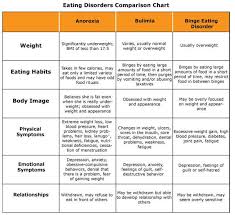
Anorexia

  • An eating disorder condition where one has a fear of putting on weight even though they may be underweight.

Bulimia

  • A condition where one has periods of  eating a lot of food in a very short amount of time (binge eating) and then make themselves sick, use laxatives (medication to help them  to excrete faeces) or do excessive exercise, or a combination of these, to try to stop themselves gaining weight (they are normally of good weight).
Anorexia and/or Bulimia isn’t really about food. It’s an extremely unhealthy and sometimes life-threatening way to try to cope with emotional problems.

Diagnosis test

Cause

  • Unknown
  • Obsessive-compulsive disorder
  • Bipolar mood disorder
  • Modern Western culture emphasizes thinness:
    • Success and worth are often equated with being thin.
    • Peer pressure may help fuel the desire to be thin.
  • Dieting and starvation
  • Major event : Bereavement, relationships, New home, New Job, New school.
  • Anxiety
  • Depression
  • Emotional and behavioural signs and symptoms may include:
  • Preoccupation with food, which sometimes includes cooking elaborate meals for others but not eating them
  • Frequently skipping meals or refusing to eat
  • Denial of hunger or making excuses for not eating
  • Eating only a few certain “safe” foods, usually those low in fat and calories
  • Adopting rigid meal or eating rituals, such as spitting food out after chewing
  • Not wanting to eat in public
  • Lying about how much food has been eaten
  • Fear of gaining weight that may include repeated weighing or measuring the body
  • Frequent checking in the mirror for perceived flaws
  • Complaining about being fat or having parts of the body that are fat
  • Covering up in layers of clothing
  • Flat mood (lack of emotion)
  • Social withdrawal:
    • Irritability
    • Insomnia
    • Reduced interest in sex
  • Testicle cancer
  • Chromosome 13, Partial Monosomy 13q

Medication

  • Antiretroviral drugs i.e. Abacavir
  • Anti-psychotics i.e. Olanzapine (Zyprexa)
  • Acne medication i.e. Isotretinoin
  • Antidepressants i.e. Fluoxetine
  • Levothyroxine
  • Hormonal:
    • Contraceptives tablets
    • Oestrogen supplemnts
    • HRT

Syndromes

Medication (overuse):

Content from Mayo Clinic

Vitamins Herbals and minerals

Symptoms

  • Severely restrict the amount of food they eat?
  • Eat binge and feel less guilty?
  • Loose weight by exercising too much/struggle to put weight on?
  • Weight loss?
  • Balance and dizziness problems?
  • General discomfort (muscle weakness), uneasiness or ill feeling (malaise) and/or fatigue (tiredness)?
  • Abdominal pain and/or are constant violently vomiting or vomiting longer than two days (one day if a child)?
  • Bad breath?
  • Sore throat longer than seven days or more?
  • Swollen lymph glands and/or reoccurring mouth ulcers?
  • Hair loss and thinning?
  • Lifeless hair?
  • Constipation?
  • Dry skin?
  • Yellowing skin?
  • Feeling cold/ cold skin?
  • Heart palpitations/irregular heartbeats?
  • Low blood pressure?
  • Dehydrated?
  • Swollen ankles?
  • Swollen arms and wrists?
  • Wearing down of teeth/Eroded teeth and calluses on the knuckles from induced vomiting?
  • Loss interest of sex and/or low sex drive?
  • Loss of muscle?
  • Aching, painful muscles, muscle cramps/spasms/stiffness?
  • Difficulty sleeping and/or lack of sleep?
  • irritated , anxiety, depressed?
  • Low mood and depression?

Female only:

  • Irregular periods and/or less frequent and/or no period?

Complications /Information to beware of/General tips:

Do not wait, phone for ambulance if have or develop:


This condition can lead to:


Driving Authority


This condition may be associated and/or similar and/or confused with:

  • Binge eating disorders
  • Arfid
    • Fear of aversive consequences (i.e. fear of choking, vomiting, or gastrointestinal discomfort)
    • Lack of interest in eating (low appetite)
    • Sensory sensitivity (heightened sensitivity to taste, texture, color, or smell of foods).
    • Picky eating that persists and causes significant distress or impairment related to the consequences of that eating behaviour.
    • ARFID DSM-5 Criteria (at least one of the following):
      • Significant weight loss or faltering growth in children
      • Significant nutritional deficiency
      • Dependence on enteral feeding or oral nutritional supplements  or marked interference with psychosocial functioning.
    • There are also key “negative” criteria:
      • The disturbance is not better explained by lack of food or by a culturally sanctioned practice
      • No disturbance in the way in which one’s body weight or shape is experienced  and not attributable to a concurrent medical condition or not better explained by another mental disorder.
  • Ofsed
  • Pregorexia -a desire to control pregnancy weight gain through extreme dieting and exercise.
  • Orthorexia
  • Bigorexia
  • Megarexia- Megarexia perceive themselves as healthy and thin when actually they have an obesity problem.
  • Hypergymnasia- an eating disorder characterized by excessive and compulsive exercise. An athlete suffering from sports anorexia tends to over exercise to give themselves a sense of having control over their body.
  • Rumination regurgitation disorder- where one  repeatedly regurgitates undigested or partially digested food from the stomach.
    • The regurgitated food is then chewed again and swallowed or spit out.
    • Persons with rumination syndrome don’t try to regurgitate food.
    • It happens without any effort. and usually occurs after each meal.
    • The diagnosis of rumination syndrome is currently based on the Rome IV consensus criteria, which were last updated in 2016. These include three diagnostic criteria essential to remember as discriminant for rumination syndrome:
      • Regurgitation is the effortless return of gastric contents (recognizable food) retrograde back into the oesophagus and/or mouth.
      • This is not preceded by retching and not associated with nausea.
      • These symptoms must have started at least 6 months before evaluation, been evident over the past 3 months, and occurred at least two to three times per month.
  • Pica- where a person compulsively swallows non-food items.
  • Cardiofaciocutaneous syndrome
  • Carbamoyl phosphate synthetase 1 deficiency
  • Carnitine palmitoyltransferase 1A (CPT1A) deficiency
  • Citrullinemia type I (CTLN1)
  • Cyclic vomiting syndrome
  • Hepatic encephalopathy (Medical emergency)
  • Hereditary orotic aciduria
  • Kluver-Bucy syndrome
  • Maple syrup urine disease (smell of maple syrup odour from earwax, sweat and urine)
  • Median Arcuate Ligament Syndrome
  • Menetrier disease
  • N-acetylglutamate synthetase (NAGS) deficiency
  • Ornithine transcarbamylase
  • Paediatric acute-onset neuropsychiatric syndrome (PANS) – where a child experiences a sudden, severe onset of obsessive-compulsive symptoms or restrictive eating, along with at least two other concurrent symptoms (i.e. anxiety, emotional lability or depression, irritability or aggression, developmental regression, deterioration in school performance, sensory or motor abnormalities, or somatic signs (sleep disturbances, enuresis- not able to control your pee, or urinary frequency).
    • Symptoms often result from an immune system response to triggers like infections or inflammation and can include anxiety, sleep disturbances, and more severe neurological symptoms.
  • Paediatric autoimmune neuropsychiatric disorders associated with streptococcal infections (PANDAS) – where a child experiences a sudden, severe onset of obsessive-compulsive symptoms or restrictive eating.
    • Symptoms often result from an immune system response to triggers i.e. throat infections
  • Pyruvate carboxylase deficiency
  • Pyruvate dehydrogenase complex deficiency
  • TANGO2 deficiency
  • Tropical Sprue
  • Very long-chain acyl-CoA dehydrogenase deficiency

Please talk to your healthcare professional (i.e. Medical Doctor/Pharmacist) for further advice

Detailed Information

Please copy and paste any key words from the title: Anorexia and Bulimia (ARFID) in the following respective 'Medtick References and/or Sources' to find out more about the disease (this also may include diagnosis tests and generic medical treatments).

  • Medical News Today

    Medical news and health news headlines posted throughout the day, every day.

  • Medscape (Professional level)

    Latest medical news and expert commentary in your specialty as well as disease information.

  • Healthline

    Medical Information and health advice you can trust

  • EveryDay Health

    Wellness inspired. Wellness enabled.

  • Pharmaceutical Journal (Professional level)

    The Pharmaceutical Journal covers analysis, features, opinion, learning and careers articles, providing insight and knowledge about drugs, pharmacy practice, medicines use and healthcare policy in the context of the pharmacy profession and pharmaceutical science.

  • NHS

    Find information and advice on health conditions, symptoms, healthy living, medicines and how to get help (British National Health Service).

  • WebMD

    Better Information. Better Health.

  • Cleveland Clinic

    Pushing the Standards of care.

  • Mayo Clinic

    No.1 Hospital in the Nation (America)

  • Drugs.com

    Know more. Be sure.

  • National Organisation of Rare Diseases

    NORD is dedicated to supporting education, elevating care, advancing research, and driving policy for rare diseases.

  • Verywell Health

    Know more. Fell better.

  • Nathnac

    Travel health guidance for health professionals advising travellers and for travellers going overseas from the UK.

  • DR Axe

    Health and fitness news. Recipes, Natural Remedies

  • Better health - NHS

    Healthy changes start with little changes. Whether you want to lose weight, drink less alcohol, get active or quit smoking, you have access to lots of free tools and support through Better Health. You can also find simple ways to lift your mood with Every Mind Matters.

    There has never been a better time to kickstart your health. Let’s do this!